
Ben’s Story
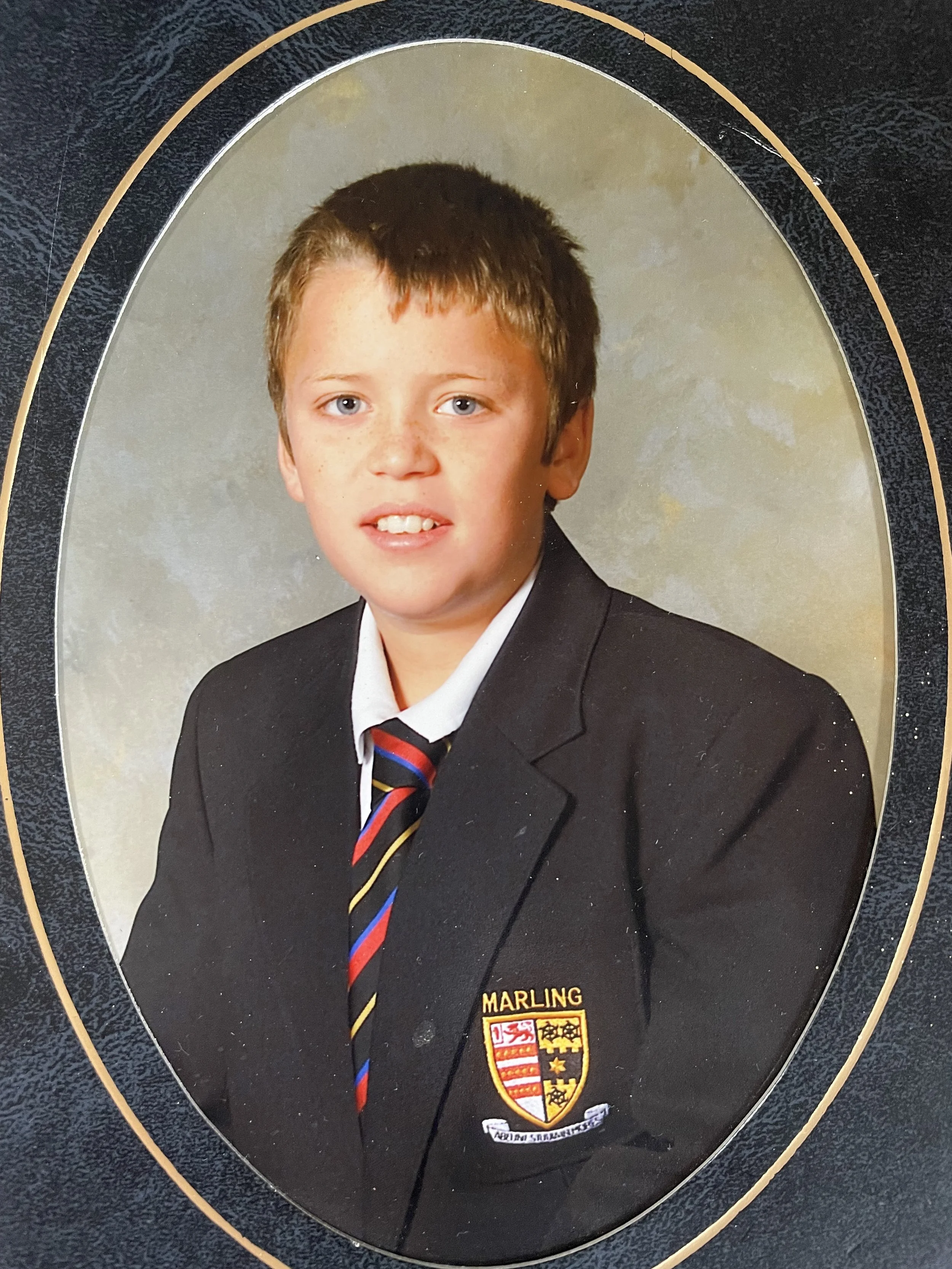
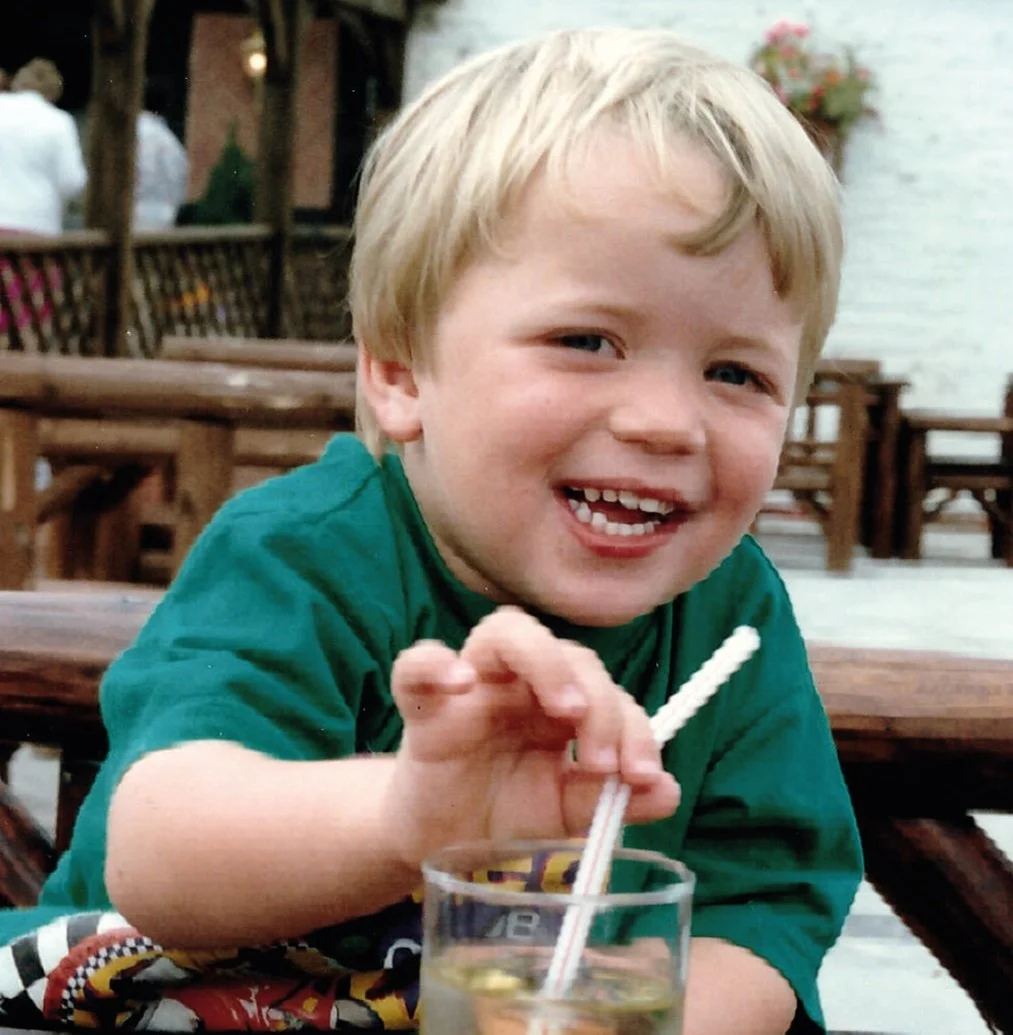
On Ben’s first day at primary school, he opened the car window as it approached the school and shouted “Hello Everyone”, beaming and waving excitedly. He was very sociable and wanted to be friends with everyone. However he couldn’t focus on things, and his teacher, ahead of her time in 1996, recommended an ADHD assessment at age 6.
Late Diagnosis
Unfortunately the NHS were not so sharp they failed to diagnose it, so he was late-diagnosed at 17. His primary school supported him well but grammar school did not and he was unable to cope with the organisation and time management needed. By the time he was diagnosed Ben had suffered social bullying at both schools, been labelled lazy in secondary school, dropped out of sixth form and had his self-esteem crushed. In his teens he lost his passion for musical instruments and also stopped acting, which he previously loved and excelled at. He turned to recreational drugs to boost his confidence and numb his feelings whilst hiding behind a “don’t care” mask because he believed it unmasculine to seek support.
High IQ, Low Self-Esteem
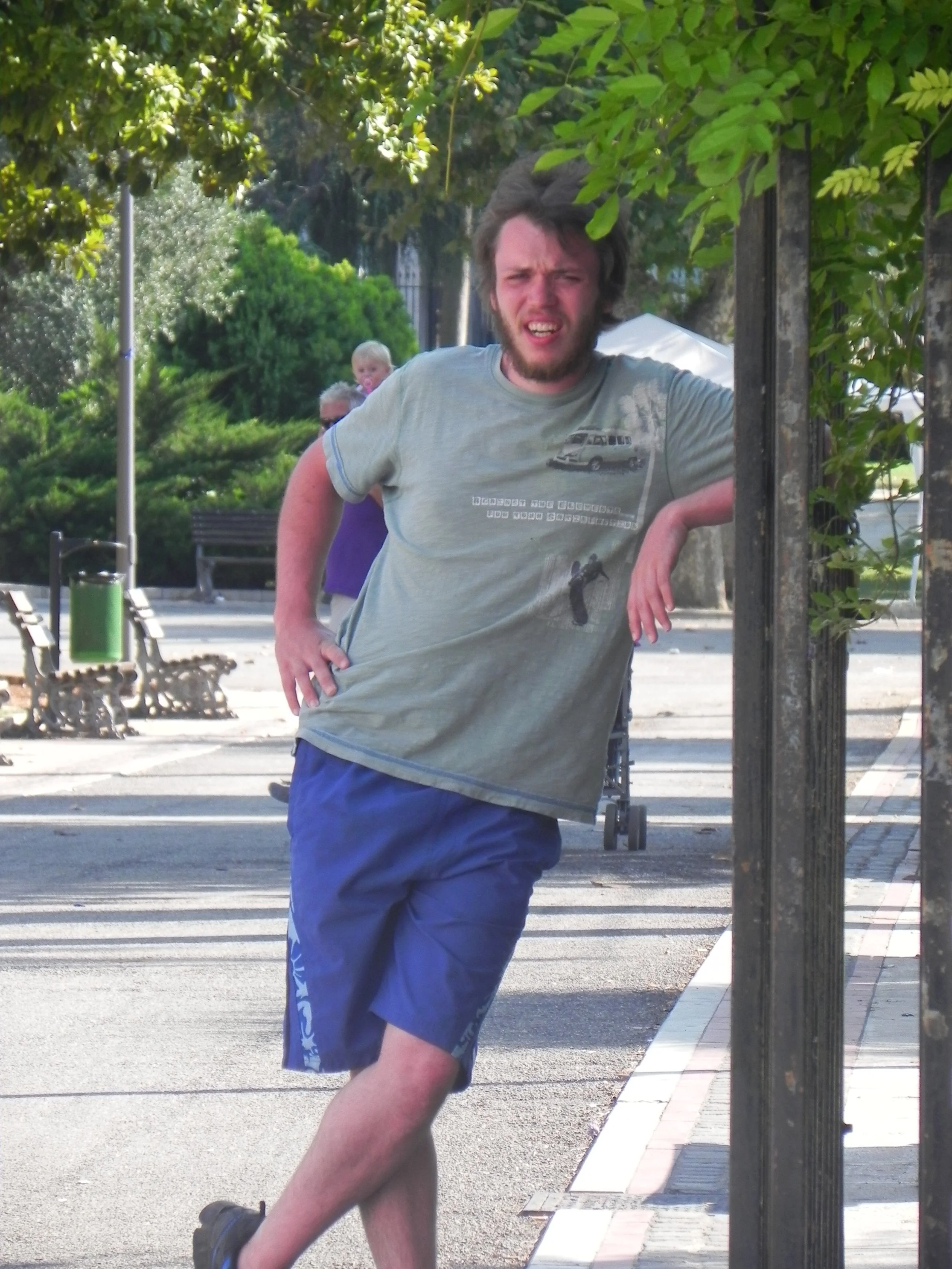
His IQ was found to be 129 when his ADHD was finally diagnosed and Ben’s self-esteem was further damaged by not going to University along with his friends. He felt a failure. He loved literature and philosophy, read extensively and aspired to be a writer. But instead after dropping out of sixth form for the second time Ben developed his part time job into a cheffing career.
From very young he loved food. Aged 5 he led his reluctant parents into a posh Paris restaurant which had no prices displayed - but fortunately turned out to be both delicious and government subsidised. As he grew up he helped many people discover the delights of fine dining. He cooked lovingly for appreciative friends. His first cheffing jobs went very well, but after the second restaurant had to close, he was exploited by cutthroat kitchens, blamed himself for their shortcomings and after a long period of uncertainty alone at home, decided to give up cheffing.
Let down by the NHS
In 2013 he began factory work to save up to go travelling. They were very impressed with his strong work ethic - but Ben couldn’t say ‘no’ to overtime, so worked regular 70 hour weeks. Exhausted and depressed, he was prescribed antidepressants - but was also taking more illicit drugs - mainly on his own not socially. This led to his first suicide attempt following a psychotic breakdown in 2015. The NHS let him down again, sending him home despite having assessed him as delusional with HIGH risk of suicide, so were then forced to section him. In hospital they continued to let him down, providing no therapy, drug use counselling or ADHD counselling so eventually he came home again still with all his underlying problems.

“I am long past saving and will be mostly a burden to you as long as I live.”
A fragile recovery
After leaving hospital a private psychologist helped Ben overcome his drug use and recommended trying life again, although he warned that Ben would never be able to work full-time. So Ben tried two more courses, fine furniture making then gardening. But he suffered setbacks with both, which he was too fragile to overcome.
Whilst Ben was struggling and failing his friends were transitioning to adulthood, partnering and buying first homes. His friendships remained very important to him and he was kind to friends and sympathetic to the homeless. He often went out of his way to help friends, for example giving lifts, planting a courtyard garden.
During the pandemic he moved back into our house. At 7am on 27 December 2020 I went to offer Ben a cup of tea, and I found a piece of paper outside the locked bathroom door.
‘I am long past saving and will be mostly a burden to you as long as I live,’ read Ben’s suicide note.
We’re horrified Ben felt a burden. If he had recognised how much everyone loved him I don’t believe he would have died. But at the end of his life Ben was a long way from the happy child I remember, excited to start school. His life would have been so different with early diagnosis and the right support